Ivermectin has been used by hundreds of millions of people worldwide since its introduction as a human medicine in 1987. Its safety record is one of the most well-documented of any drug in existence. But given the controversy surrounding ivermectin in recent years, many people reasonably want to understand the safety data themselves.
Ivermectin’s Safety Track Record
Since its approval, ivermectin has been administered more than 3.7 billion times globally, primarily through mass drug administration programs for river blindness (onchocerciasis) and lymphatic filariasis. The WHO has included it on its List of Essential Medicines — a designation reserved for medications considered safe, effective, and necessary for basic healthcare.
Regulatory Approvals
Ivermectin is approved by regulatory authorities in many countries for human use, including treatment of strongyloidiasis (threadworm infection), onchocerciasis (river blindness), scabies including crusted scabies, and head lice.
Safety at Therapeutic Doses
At standard therapeutic doses (typically 150-200 mcg/kg), ivermectin is extremely well tolerated. The most commonly reported side effects — nausea, dizziness, and itching — are mild and transient. Serious adverse events at therapeutic doses are rare and are more commonly associated with parasite die-off reactions than with the drug itself.
Safety at Higher Doses
Clinical studies have administered ivermectin at doses up to 2,000 mcg/kg — ten times the standard dose — without serious adverse events in healthy adults. This gives ivermectin an unusually wide therapeutic window compared to many other medications.
Special Populations
Certain groups require extra caution. Ivermectin crosses the placenta and is generally not recommended during pregnancy unless the benefit outweighs the risk. It is not approved for children under 15 kg. People with very high Loa loa microfilariae counts face an elevated risk of severe neurological events and should be screened before treatment.
The Veterinary vs Pharmaceutical Distinction
Much of the concern around ivermectin safety in recent years stems from reports of people taking veterinary formulations at inappropriate doses. Veterinary ivermectin products designed for horses and cattle are formulated at much higher concentrations and are not safe for human use. Pharmaceutical-grade human ivermectin tablets, taken at the correct dose for body weight, carry a very different and well-established safety profile.
Drug Interactions to Be Aware Of
For a small number of people on specific medications such as warfarin, extra caution is needed. See our full guide on ivermectin drug interactions for details.
The Bottom Line
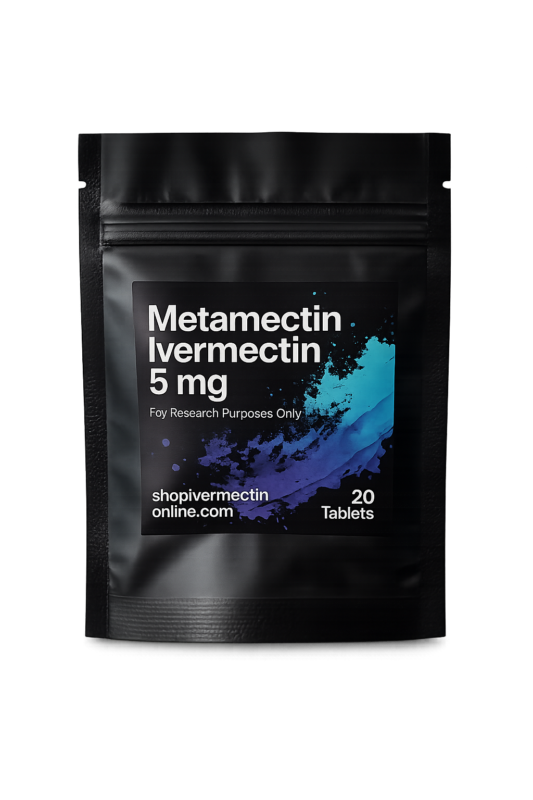
Pharmaceutical-grade ivermectin, taken at the recommended dose for your body weight, is one of the safest antiparasitic medications available. Review our dosage guide and side effects overview for full information before starting treatment.
Buy Pharmaceutical-Grade Ivermectin
When you are ready to proceed, you can buy ivermectin online from our store. We supply only pharmaceutical-grade tablets — never veterinary formulations.
