Ivermectin dosing is primarily weight-based, which means the appropriate dose varies from person to person. This guide outlines commonly referenced dosage ranges for the conditions ivermectin is known to treat, along with important considerations for safe use.
Important: This guide is for informational purposes only. Always consult a licensed healthcare professional before taking any medication. Do not self-diagnose or self-prescribe.
How Ivermectin Dosage is Calculated
Unlike many medications that come in a fixed dose for all adults, ivermectin is dosed based on body weight — typically expressed in micrograms per kilogram (mcg/kg) or milligrams per kilogram (mg/kg). This approach helps ensure efficacy while minimizing the risk of adverse effects.
The standard single dose used in most approved antiparasitic applications is 200 mcg/kg (0.2 mg/kg) of body weight. For a 70 kg (154 lb) adult, this works out to approximately 14 mg, or roughly three 5mg tablets.
Dosage by Condition
Strongyloidiasis (Intestinal Roundworm)
The standard recommended dose is 200 mcg/kg taken as a single oral dose. Follow-up stool testing is often recommended to confirm eradication, and a repeat dose may be needed if eggs or larvae are still detected.
Onchocerciasis (River Blindness)
Treatment typically involves a single annual or semi-annual dose of 150 mcg/kg. Because ivermectin does not kill adult filarial worms, repeated dosing over several years is required to suppress microfilariae and prevent disease progression.
Scabies
For standard scabies, a single dose of 200 mcg/kg is commonly used, often with a repeat dose 1–2 weeks later to catch newly hatched mites. For crusted (Norwegian) scabies, higher doses or more frequent dosing schedules may be used under medical supervision.
Head Lice
Oral ivermectin for head lice is typically dosed at 400 mcg/kg, repeated after 7 days. Topical ivermectin formulations are also available and used according to their specific labeling.
Quick Dosage Reference Table
| Body Weight | 200 mcg/kg dose | Approx. 5mg Tablets |
|---|---|---|
| 40 kg (88 lb) | 8 mg | 1–2 tablets |
| 60 kg (132 lb) | 12 mg | 2–3 tablets |
| 70 kg (154 lb) | 14 mg | 3 tablets |
| 80 kg (176 lb) | 16 mg | 3 tablets |
| 100 kg (220 lb) | 20 mg | 4 tablets |
Note: This table is a general reference only. Actual dosing should be determined by a healthcare professional based on your specific condition, weight, and health history.
Should Ivermectin Be Taken With Food?
Research suggests that taking ivermectin with a fatty meal can significantly increase its absorption — in some studies, bioavailability increased by up to 2.5 times compared to a fasted state. Many practitioners recommend taking ivermectin with a meal for this reason, though some traditional protocols specify a fasted state. Follow the guidance of your healthcare provider.
What Form of Ivermectin Should I Use?
For systemic conditions (intestinal parasites, scabies, lice), oral ivermectin tablets are the standard form. It is essential to use human-grade pharmaceutical tablets, not veterinary formulations, which are not designed for human consumption and carry significant risks.
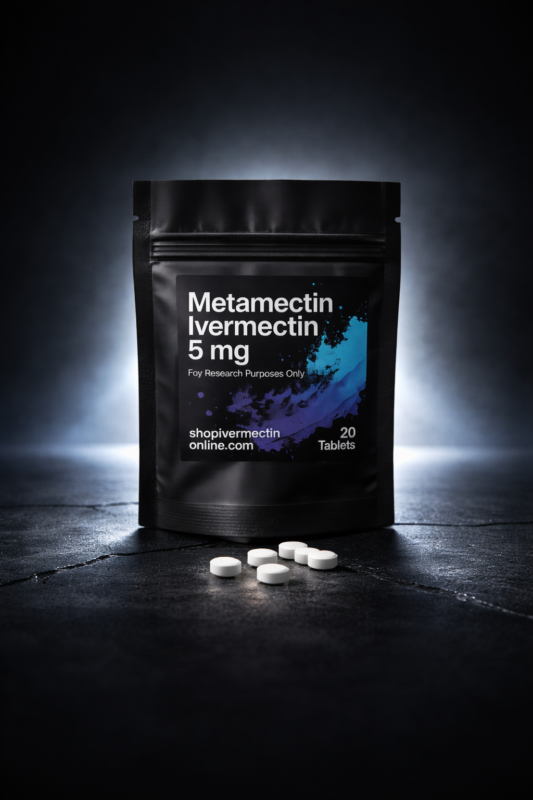
Metamectin 5mg ivermectin tablets are pharmaceutical-grade, making dose calculation straightforward. At 5mg per tablet, you can accurately dose to your body weight. They are available without a prescription and ship discreetly from Canada.
Important Safety Considerations
- Drug interactions — Ivermectin may interact with certain medications, including blood thinners (warfarin) and some anti-seizure medications. Inform your doctor of all medications you are taking.
- Pregnancy and breastfeeding — Ivermectin is generally not recommended during pregnancy. Consult your healthcare provider.
- Liver disease — Ivermectin is metabolized by the liver. Individuals with significant liver impairment should use caution and consult a physician.
- Loa loa co-infection — In regions where Loa loa is endemic (parts of Central and West Africa), high microfilarial loads can increase the risk of serious adverse events with ivermectin. Screening is recommended before treatment in these areas.
Frequently Asked Questions
Can I take more than one dose?
For some conditions, multiple doses are part of the standard treatment protocol. However, dosing schedules should be based on medical guidance, not self-determination.
What if I miss a dose?
If you are following a scheduled multi-dose protocol and miss a dose, take it as soon as you remember unless it is close to the time of your next scheduled dose. Do not double up doses.
Is there a maximum safe dose?
Ivermectin has been studied at doses well above the standard antiparasitic range in clinical research settings. However, significantly higher doses are associated with a greater risk of adverse effects. Do not exceed the dose recommended by your healthcare provider.
Disclaimer: This article is for informational and educational purposes only and does not constitute medical advice. Dosage information presented here is based on publicly available clinical references. Always consult a qualified healthcare professional to determine the appropriate dose for your specific situation.
