Ivermectin is one of the most widely used antiparasitic medications in the world. First developed in the late 1970s, it has been prescribed billions of times across the globe and is included on the World Health Organization’s List of Essential Medicines. If you’ve been researching ivermectin, you likely have questions — this guide covers the basics.
What is Ivermectin?
Ivermectin is a macrocyclic lactone compound derived from the bacterium Streptomyces avermitilis. It works by binding to specific ion channels in the nerve and muscle cells of parasites, causing paralysis and death of the organism. Crucially, these channels are largely absent in mammals, which is what makes the drug selectively toxic to parasites rather than the human host.
It was originally developed for veterinary use but was quickly approved for human use after demonstrating a remarkable safety profile in large-scale clinical trials.
What is Ivermectin Used For?
In human medicine, ivermectin has approved uses for several parasitic conditions:
- Strongyloidiasis — intestinal infection caused by the roundworm Strongyloides stercoralis
- Onchocerciasis (River Blindness) — a parasitic disease spread by blackfly bites, a leading cause of preventable blindness in parts of Africa and Latin America
- Scabies — a skin infestation caused by the mite Sarcoptes scabiei
- Pediculosis (head lice) — used topically to treat lice infestations resistant to other treatments
- Lymphatic filariasis — used in mass drug administration programs in endemic regions
Beyond these established uses, ivermectin has been the subject of extensive research exploring potential applications in other conditions. This research continues to be an active area of scientific discussion.
How Does Ivermectin Work?
Ivermectin targets glutamate-gated chloride channels that exist in invertebrate nerve and muscle cells. By binding to these channels, it increases the permeability of the cell membrane to chloride ions, leading to hyperpolarization of the nerve or muscle cell. This results in paralysis and death of the parasite.
Because vertebrates (including humans) do not have glutamate-gated chloride channels in the same way, ivermectin has a strong safety margin when taken at appropriate doses.
What Forms Does Ivermectin Come In?
Ivermectin is available in several formulations:
- Oral tablets — the most common form for systemic parasitic infections
- Topical cream or lotion — used for skin conditions such as rosacea and lice
- Topical solution — for head lice treatment
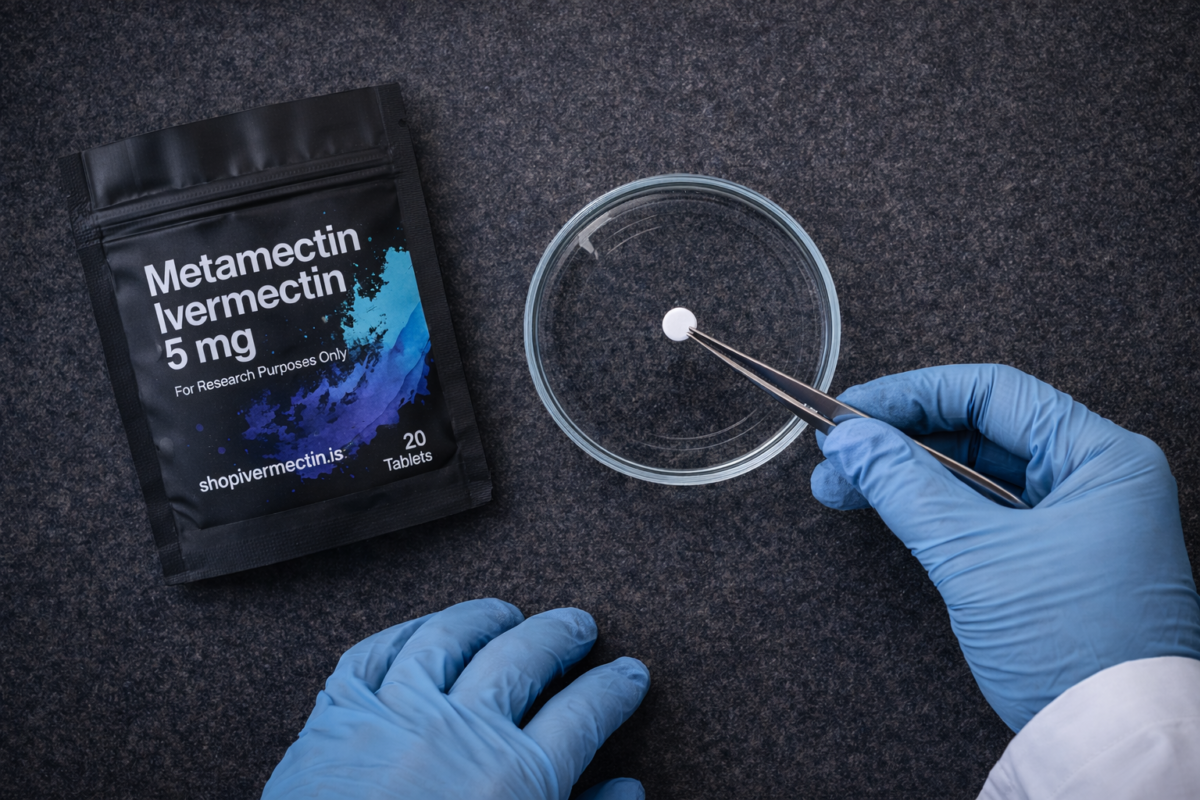
For those seeking pharmaceutical-grade oral ivermectin tablets, Metamectin 5mg tablets are available here without a prescription, shipped discreetly from Canada.
Is Ivermectin Safe?
When used at appropriate doses, ivermectin has an excellent safety profile. It has been administered to hundreds of millions of people in mass drug administration programs. The most commonly reported side effects are mild and include:
- Nausea or stomach upset
- Dizziness or lightheadedness
- Headache
- Diarrhea
- Skin rash or itching (often a Mazzotti reaction — caused by dying parasites, not the drug itself)
Serious adverse effects are rare and are generally associated with very high doses or specific contraindications. Always consult a healthcare professional before starting any new medication.
Frequently Asked Questions
Can humans take ivermectin?
Yes. Ivermectin has been approved for human use for decades. It is a different formulation from veterinary products, which are not appropriate for human consumption. Human-grade ivermectin tablets, such as Metamectin, are manufactured to pharmaceutical standards.
Do I need a prescription for ivermectin?
Prescription requirements vary by country. In many jurisdictions, ivermectin is available without a prescription. Metamectin tablets are available to order online without a prescription and ship from Canada.
How long does ivermectin stay in your system?
Ivermectin has a plasma half-life of approximately 18 hours. It is metabolized primarily in the liver and excreted in the feces. It is generally cleared from the body within a few days of a single dose.
Can ivermectin be taken with food?
Yes — taking ivermectin with a meal (particularly a high-fat meal) has been shown to increase absorption. Some studies have found that food increases bioavailability by up to 2.5 times compared to a fasted state.
Where to Buy Pharmaceutical-Grade Ivermectin
If you’re looking for human-grade ivermectin tablets, it’s important to source from a reputable supplier. Metamectin 5mg tablets are carefully sourced from reputable pharmaceutical manufacturers, packaged in sealed mylar pouches, and shipped discreetly from Canada. No prescription is required.
Disclaimer: This article is for informational purposes only and does not constitute medical advice. Always consult a qualified healthcare professional before starting any new medication.
